Coral reefs are disappearing faster than they can recover. With coral reef bleaching, coastal pressures and climate change accelerating, the challenge is not just protecting what remains. It is creating restoration solutions that can scale across continents, industries and environments.
At ARC marine®, we design artificial reef systems that help nature rebuild itself. Our Reef cubes® are already widely used in reef building, coastal infrastructure and offshore energy. Now, new research led by the University of Derby and Prof. Michael Sweet is showing how Reef cubes® can support the future of coral reefs at a global scale.
Early coral reef recovery on Reef cubes®
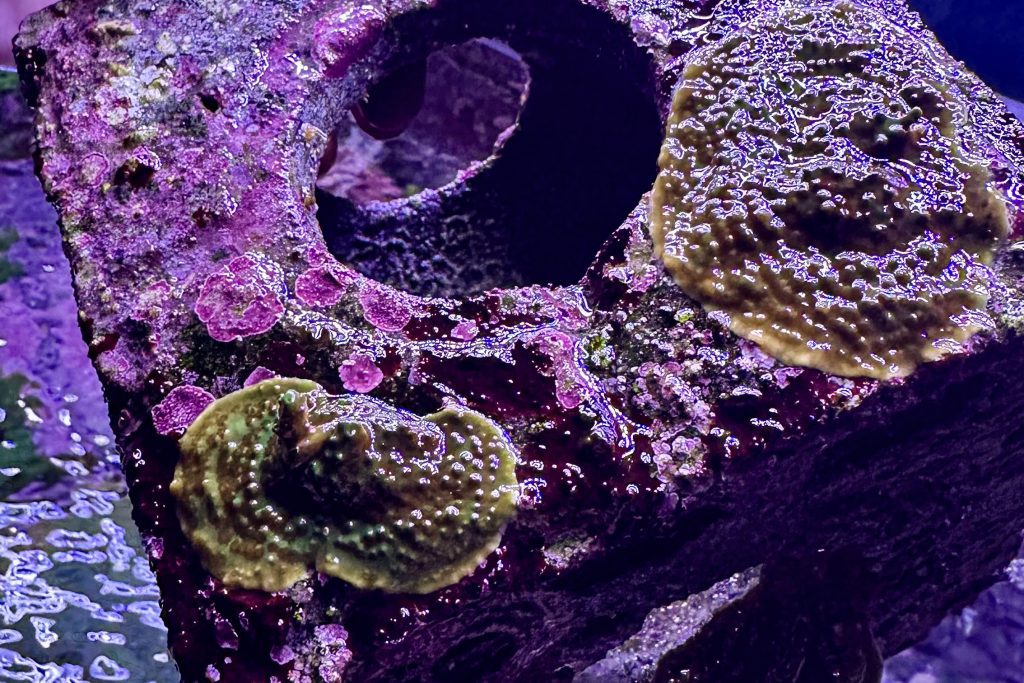
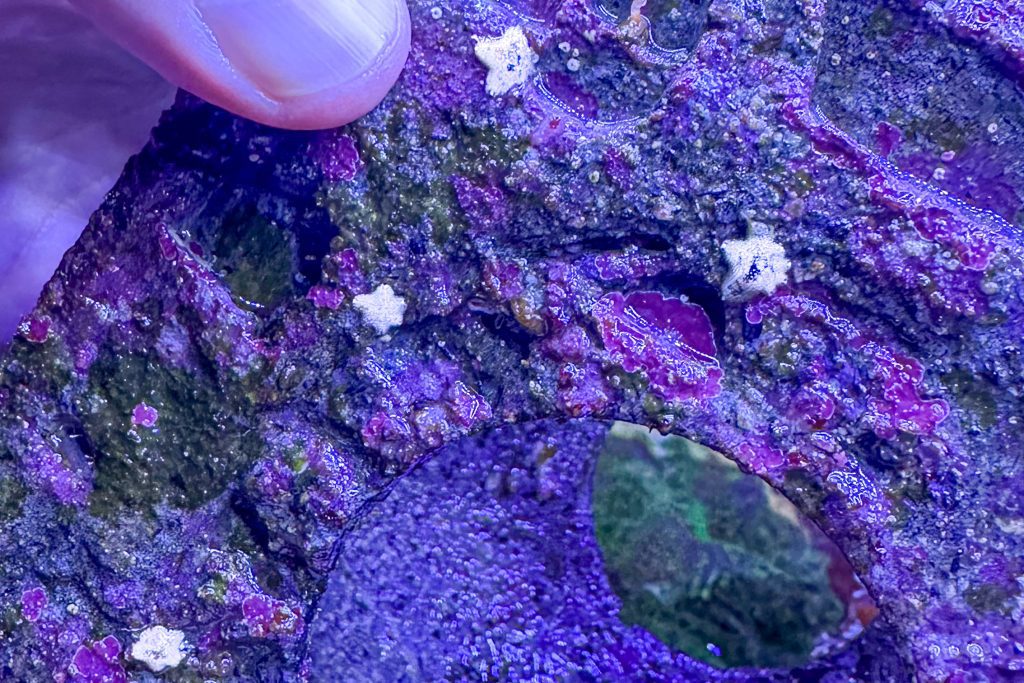
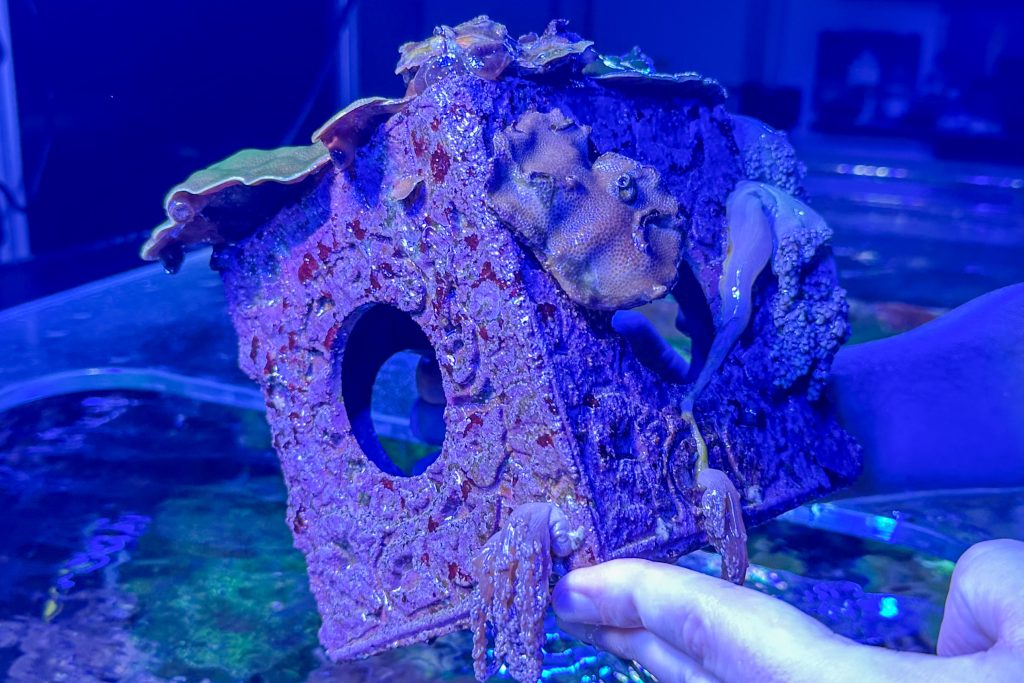
In recent months, ARC marine® and the University of Derby have been documenting how corals, crustose coralline algae (CCA) and other early reef species respond to Reef cubes®. The ecological response has been strong.
Corals are settling. CCA is spreading. Biofilm is forming rapidly. Internal habitat spaces are already being used by early life stages.
For coral reef restoration, these early indicators matter. They show that Reef cubes® can function as effective restoration substrates, offering the conditions that coral nurseries and artificial coral reef systems need to thrive.
Scientific research that influenced a major partnership
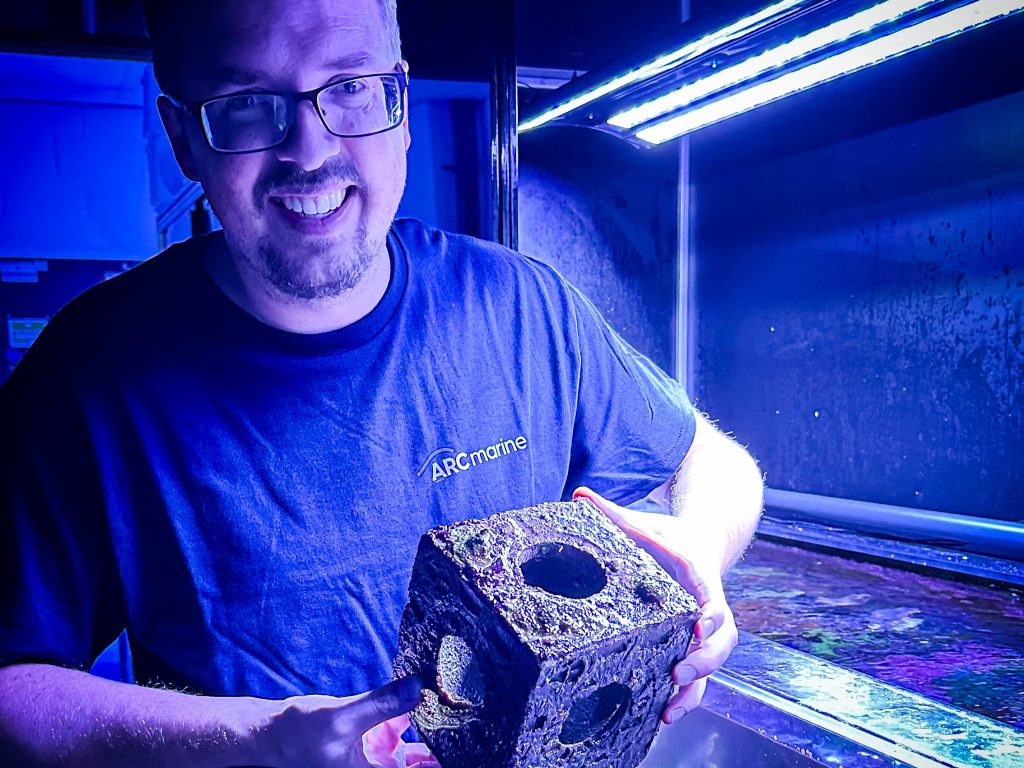
Prof. Michael Sweet has spent years studying coral reef recovery, coral nurseries, substrate materials and the ecological processes that determine whether an artificial reef succeeds or fails. His team has tested a wide range of materials used around the world to restore coral reefs.
Reef cubes® and our Marine Crete® material consistently demonstrated strong ecological performance. Through comparative testing, they supported:
- rapid biofilm formation
- strong and stable CCA attachment
- early coral settlement in micro-crevices
- internal refuge spaces for juvenile invertebrates
- long-term stability essential for reef building
The results were compelling enough that Michael has now joined ARC marine as our Nature Based Solutions Scientific Advisor. This decision is rooted in evidence. The research showed that Reef cubes® provide one of the most effective pathways for restoring coral reefs at scale.
Marine Crete®: engineered for living reef systems
Marine Crete® is ARC marine’s proprietary material used in all Reef cubes® and artificial reef systems. It is designed specifically to support marine life.
Key attributes include:
- 98 percent recycled content
- up to 91 percent lower carbon than OPC concrete
- plastic free
- non-leaching
- mineral chemistry that supports coral settlement and CCA growth
- natural textures that encourage rapid biofilm formation
These features align with what coral reefs need to rebuild. As coral bleaching events increase globally, materials like Marine Crete® offer a stable, resilient base that can support long-term recovery.
Scaling coral reef restoration
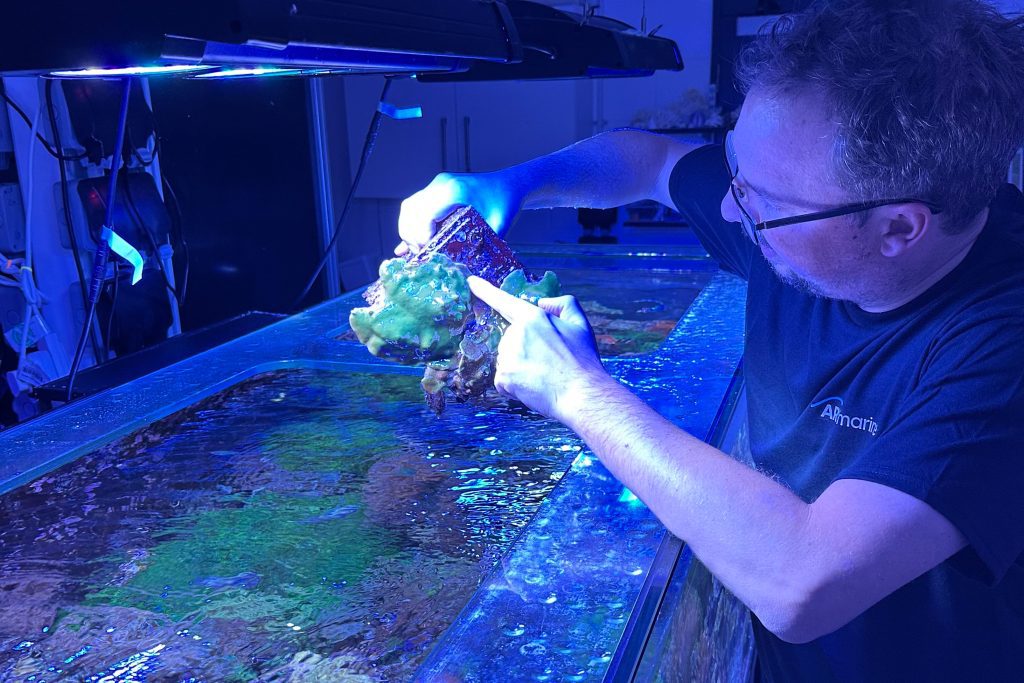
With Prof. Michael Sweet now part of ARC marine®, we are strengthening our capacity to design, deliver and measure coral reef restoration at scale. This includes:
- artificial reef structures for warm-water reef systems
- coral nursery foundations
- large-scale coral reef restoration programmes
- coastal and island protection projects
- Nature Inclusive Design for tropical infrastructure
- artificial coral reef modules tailored to specific restoration goals
The ability to restore coral reefs is now directly linked to the ability to scale. Reef cubes® allow that scale to happen through consistent manufacturing, modular deployment and ecological performance proven in testing.
The future of coral reefs
Coral reefs are critical for biodiversity, fisheries, coastal protection and tourism. Their future depends on combining engineering, science and nature-based solutions that can restore lost habitats quickly and effectively.
Reef cubes® provide the foundation. Marine Crete® provides the chemistry. Our growing scientific and engineering team provides the expertise. Together, they offer a blueprint for restoring coral reefs in a way that is measurable, repeatable and resilient.
About Reef cubes®
Reef cubes® are ARC marine’s flagship modular artificial reef units. They support coral reef regeneration, fisheries enhancement, biodiversity uplift and coastal resilience.
- available in multiple sizes for varied marine environments
- 98 percent recycled content
- plastic free
- up to 91 percent lower carbon than OPC concrete
- advanced surface textures for coral settlement
- high internal and external habitat complexity
- interlocking geometry for long-term stability
- suitable for both tropical and temperate reef building
Find out more about Reef cubes® and how they can support your coral reef restoration projects:
👉 Reef cubes®